Branded slots combine familiar entertainment licences with modern video slot mechanics, setting recognisable characters and storylines on the reels. UK operators must confirm every title carries the correct licence and age checks, yet the choice of game itself remains with the player. Gates of Olympus user login shows how a non-branded title can still equal the visual polish and bonus complexity of licensed games, offering a direct comparison of what branded characters add or subtract from the core experience. Knowing where branding helps and where it restricts enjoyment helps UK players decide whether to spin a licensed reel or stick with an original theme such as the Greek-myth slot.
Visual Identity and Sound Experience
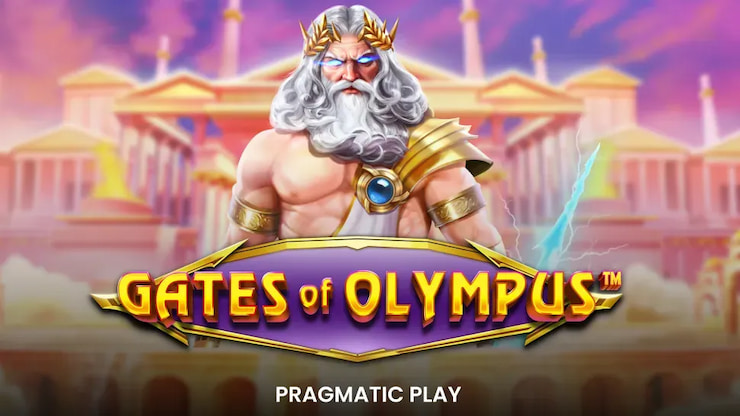
Branded slots start with design quality drawn from film or television, so animations, voice lines and audio loops match the source material. This alignment can increase player interest because players already feel an emotional connection to the characters on screen before the first spin lands. Gates of Olympus creates its ambiance from original 3-D renders of Mount Olympus and an classical composition that never tries to quote an existing movie. The distinction matters when a player appreciates cinematic recognition over mythological invention; one path recycles known assets, the other invests resources on new art.
Sound design also varies. Branded music often insert distinctive motifs that play on big wins, boosting brand memory. An independent title such as Gates of Olympus uses motif variation within an original composition, which avoids licensing costs but must still generate excitement during free-spin sequences. Players who enjoy discovering fresh music may therefore lean toward non-branded releases, whereas fans of a show’s original score might embrace the occasional repetition that comes with licensed audio.
Bonus Architecture and Multiplier Potential
Free spin features in themed slots often import characteristic features from the licence, such as a figure accumulating items that improve icons. These elements prolong the bonus but may also decrease multiplier ceilings if the game design must keep plot equilibrium. Gates of Olympus instead focuses potential into Zeus multipliers that can climb to ×500 when successive spheres hit on the identical location, generating standout moments without narrative context.
- Licensed free spins often offer between 5 and twelve spins, with additional triggers limited to maintain play rhythm.
- Independent titles like the Olympus title feature re-triggers without upper limits, although true frequency remains determined by the random number generator.
- Both formats must display their top win caps, usually 5,000x stake, yet licensed games occasionally showcase lower ceilings to fit franchise style rather than theoretical highs.
Users who choose transparent multiplier tables may therefore choose the simple paytable of a unlicensed release, while those who enjoy plot twists can accept the more divided bonus system of a licensed product.
Reels and Rows & Ways to Win
Most licensed video slots feature the 5×3 or 5×4 grid standard to their launch era, winning on 20 to 40 set lines. Gates of Olympus extends the layout to a 6×5 grid that determines wins via a scatter-pays system across 50 000 possible symbol combinations. The expanded grid changes symbol distribution; five-of-a-kind combinations occur less often, yet the tumble feature repeats the identical reels without extra stake, practically raising the return of each wagered spin.
Variable line options hardly ever appear in any camp because UK regulations discourage any stake that can be modified mid-feature. As a result, players compare effective cost per spin rather than listed line count. A branded 5×3 slot with twenty lines at £0.10 per line equals £2.00, whereas Gates of Olympus at the equivalent coin value needs only £0.20 because every symbol can contribute. Grasping these format differences eliminates surprises when a licensed game displays a larger minimum bet despite fewer reels.
Betting Limits, Restrictions and Accessibility
Betting limits in the UK must comply with the £2 maximum per spin on games that attract young audiences, yet most branded and non-branded adult titles still allow up to £20 or £50 per spin on desktop. Gates of Olympus displays a minimum of £0.20 and a maximum of £100 on many UK sites, giving high-rollers room to chase the 5 000× cap. Branded slots occasionally implement denomination locks that match the source material’s “era,” effectively limiting the betting window and forcing players to modify expectations before loading the nature.com game.
Session controls such as reality checks and deposit limits exist outside the game code and function uniformly, so the choice between branded and original content does not influence a player’s ability to set time or money reminders. The practical difference lies in how quickly a branded game’s higher average stake can breach those self-imposed ceilings if the player does not adjust the bet selector first.
Numerical Blueprint: RTP and Volatility
RTP percentages in branded slots usually range between 95.5 percent and 96.5 percent, aligning with the range found in Gates of Olympus. Volatility, however, can change: a superhero slot may lean toward medium-high variance to accommodate dramatic “hero moment” multipliers, while the Greek slot combines high volatility with frequent small line hits to maintain the 6×5 grid active. UK players who check the information screen before committing funds can align their bankroll size to the documented variance rather than presume every licensed product behaves the same.
Hit frequency also shapes session length. A branded game that links extra reels to plot events may cut regular line hits in preference of rarer but larger modifiers. Gates of Olympus allocates value across tumbles and multiplier orbs, delivering a documented hit rate above 25 percent in the base game. Reviewing these figures helps a player predict whether a branded slot’s maths will stretch a £50 deposit across the desired number of spins or deplete it inside the opening bonus.
Payout Systems and Sustained Appeal
Static pools are found in both categories, but licensed games sometimes link a progressive element to a network of films or television seasons, building a combined jackpot that grows whenever any associated slot is played. Gates of Olympus provides only a fixed 5 000× top prize, eliminating the shared aspect but also removing the reduction that happens when a large slice of each stake supports a remote payout. Gamblers seeking life-changing sums may therefore try the progressive licensed pot, whereas those aiming for frequent moderate wins can estimate that the independent title yields a greater percentage of total stakes through base-game tumbles.
Sustained appeal also hinges on update cadence. Branded titles sometimes stay unchanged for years once the licensing deal ends, whereas Gates of Olympus still undergoes incremental tweaks to animation timing and sound balancing. The absence of new levels in an older licensed title can reduce perceived value, even if the stated return remains unchanged.
Selecting Between Brand Recognition and Mechanical Originality
The determination hinges on whether the player emphasises story familiarity or mechanical transparency. A branded slot delivers instant context and marketing synergy, yet it may sacrifice reel layout, multiplier height or stake granularity to serve the licence. Gates of Olympus demonstrates that an unlicensed theme can still reach high visual fidelity and competitive maths without external constraints, giving UK players a benchmark against which to measure any licensed alternative. Checking the information screen, comparing published RTP ranges and exploring the bet selector in demo mode remain the most reliable ways to ensure that a chosen title aligns with both budget and entertainment goals before real-money play begins.